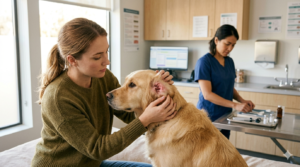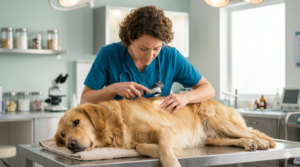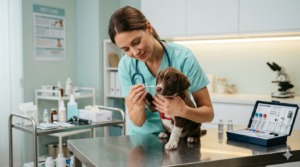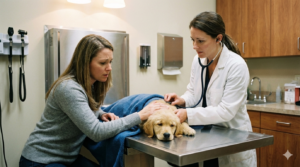

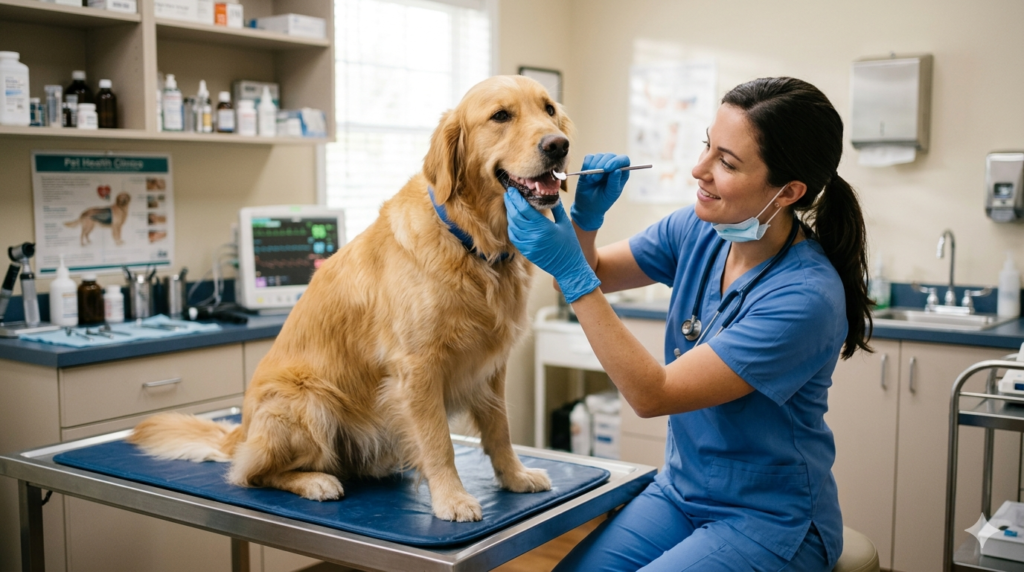
Most dog owners in Stockton have a pretty solid routine when it comes to their pet’s health. Annual checkups, vaccinations, flea and tick prevention — the usual stuff. But there’s one area that consistently gets overlooked, and it’s arguably one of the most important: your dog’s mouth. If you’ve ever caught a whiff of your dog’s breath and thought, “That can’t be normal,” you’re probably right. Bad breath in dogs isn’t just unpleasant. It’s often the first clue that something more serious is brewing beneath the gum line.
At Fremont Animal Clinic, we see the consequences of neglected dental health every single week. Dogs come in for what seems like a minor issue — maybe they’ve stopped chewing on their favorite toy or they’re drooling more than usual — and the exam reveals advanced periodontal disease that’s been silently progressing for months or even years. The truth is, by the time most owners notice something is off, the problem has already reached a stage where a simple brushing at home won’t fix it.
So how do you know when your dog actually needs professional dental care? And what does that process even look like? Let’s break it down — from the earliest red flags to the full scope of what a veterinary dental cleaning involves.
Why Dental Health Matters More Than You Think
Here’s a fact that surprises a lot of pet owners: roughly 80 percent of dogs show signs of oral disease by the time they turn three years old. That’s not a typo. Three. And the problem isn’t just about teeth falling out or smelly breath. Untreated dental disease in dogs has been linked to infections that spread through the bloodstream and affect the heart, liver, and kidneys. The bacteria that accumulate on tartar-covered teeth don’t just stay in the mouth — they enter the bloodstream every time your dog chews, and over time, that can do real damage to vital organs.
Think of it this way. If you went years without seeing a dentist, you wouldn’t just have cavities. You’d likely have gum recession, bone loss, chronic infection, and pain that affects your ability to eat, sleep, and function normally. Dogs experience the same progression. The difference is, they can’t tell you about it. Most dogs will continue eating and acting relatively normal even when they’re dealing with significant oral pain. It’s a survival instinct — one that makes it especially tricky for owners to catch problems early.
That’s exactly why routine dental exams at a trusted veterinary clinic matter so much. They catch what you can’t see at home, and they prevent small issues from becoming dangerous ones.
The Five Warning Signs You Shouldn’t Ignore
Not every sign of dental trouble is obvious. Some dogs hide discomfort incredibly well. But there are patterns worth paying attention to — things that might seem minor on their own but together paint a pretty clear picture.
Bad Breath That Won’t Quit
Let’s get this out of the way first: dog breath shouldn’t actually be terrible. A mild odor is normal, sure. But if your dog’s breath makes you recoil, that smell is usually coming from bacterial buildup, decaying food particles trapped along the gum line, or active infection. Persistent foul breath is one of the earliest and most reliable indicators of dental disease, and it’s also one of the most commonly dismissed.
Changes in Eating Habits
Your dog used to demolish their dinner in thirty seconds flat, and now they’re picking at it, dropping food from their mouth, or favoring one side while chewing. These aren’t picky eating habits. They’re pain responses. When teeth are loose, cracked, or infected, chewing becomes uncomfortable — sometimes agonizing. Some dogs will shift to softer foods on their own, which owners might mistake for a change in preference rather than a sign of trouble.
Visible Tartar and Discolored Teeth
Lift your dog’s lip and take a look. Healthy teeth should be white or off-white with pink gums. If you see yellowish or brownish buildup along the gum line, that’s tartar — mineralized plaque that can’t be removed with a toothbrush alone. Once tartar hardens onto the tooth surface, only a professional cleaning under anesthesia can safely remove it. The darker and thicker the buildup, the more advanced the problem.
Red, Swollen, or Bleeding Gums
Healthy gums are firm and pink. Inflamed gums appear red, puffy, and may bleed when your dog chews on a toy or bone. This is gingivitis — the earliest stage of periodontal disease. Left untreated, gingivitis progresses to periodontitis, which involves actual destruction of the tissue and bone supporting the teeth. Once bone loss occurs, it doesn’t come back.
Pawing at the Face or Excessive Drooling
Dogs who are dealing with oral pain sometimes paw at their mouth or rub their face against furniture. Excessive drooling — especially if the saliva appears thick, discolored, or tinged with blood — is another red flag. These behaviors often indicate that the discomfort has reached a point where the dog can no longer simply endure it quietly.
Understanding Dental Disease Stages in Dogs
Dental disease doesn’t happen overnight. It follows a predictable progression, and understanding where your dog falls on that spectrum can help you make better decisions about treatment timing and approach.
Stage One: Gingivitis
This is the only fully reversible stage. You’ll see mild redness and swelling along the gum line, and your dog may have noticeably bad breath. There’s no bone loss yet. A professional cleaning at this stage — combined with consistent at-home care afterward — can return your dog’s mouth to a healthy state. This is the sweet spot for intervention, and it’s why routine preventive veterinary exams are so valuable. Catching dental disease at stage one saves your dog pain and saves you from more complex (and costly) treatment down the road.
Stage Two: Early Periodontitis
At this point, the inflammation has moved below the gum line. Dental X-rays may reveal up to 25 percent bone loss around affected teeth. Your dog probably has heavier tartar accumulation and may be showing subtle behavioral changes — less interest in hard treats, slight hesitance at mealtime. Professional cleaning is still effective, but the veterinarian may recommend additional treatment like root planing or localized antibiotics.
Stage Three: Moderate Periodontitis
Now we’re looking at 25 to 50 percent bone loss. Teeth may be visibly loose. The gums are likely receding, and pockets have formed between the teeth and gum tissue where bacteria thrive. Treatment at this stage often requires extractions — removing teeth that can no longer be saved. It sounds dramatic, but dogs actually do remarkably well after extractions. They eat comfortably, often better than before, because the source of chronic pain is gone.
Stage Four: Advanced Periodontitis
This is the most severe stage. More than 50 percent of the bone supporting the teeth has been destroyed. Multiple teeth are affected, and the risk of systemic infection is significant. Dogs at this stage may need multiple extractions, prolonged antibiotic therapy, and close monitoring afterward. The goal shifts from preservation to damage control — removing infected tissue and teeth to protect the rest of the body.
What Actually Happens During a Professional Dental Cleaning
One of the biggest reasons pet owners hesitate about dental cleanings is uncertainty. What does the procedure involve? Is it safe? How long does it take? Let’s walk through it step by step.
Pre-Anesthetic Assessment
Before anything else, your dog gets a thorough physical exam. Blood work is typically recommended — especially for older dogs or those with known health conditions — to confirm they can safely undergo anesthesia. This isn’t a formality. The pre-anesthetic workup at a quality veterinary surgical facility helps the team customize the anesthesia protocol to your dog’s specific needs.
Anesthesia and Monitoring
Yes, dental cleanings require general anesthesia. There’s really no way around it. Effective dental work means scaling below the gum line, taking X-rays, and examining every tooth thoroughly — none of which can happen safely on a conscious, moving dog. “Anesthesia-free” dental cleanings, which some grooming salons advertise, only address cosmetic tartar above the gum line. They don’t treat the disease happening underneath, and they can actually cause stress and injury.
Modern veterinary anesthesia is remarkably safe. Your dog is monitored continuously throughout the procedure — heart rate, blood pressure, oxygen levels, body temperature, and respiratory function are all tracked in real time. The anesthesia is tailored to your dog’s age, size, breed, and health status. For the vast majority of dogs, the risk of general anesthesia is extremely low.
The Cleaning Itself
Once your dog is safely anesthetized, the veterinary team uses ultrasonic scaling tools to remove plaque and tartar from every tooth surface — above and below the gum line. This is followed by polishing, which smooths the tooth enamel and makes it harder for plaque to reattach. Full-mouth dental X-rays are taken to evaluate the roots and surrounding bone, revealing problems that are completely invisible to the naked eye. Many of the most serious dental issues — root abscesses, bone loss, fractured roots — only show up on X-rays.
Extractions and Additional Treatment
If the veterinarian finds teeth that are too damaged to save — severely mobile, fractured, or abscessed — extraction is performed during the same procedure. Nerve blocks are administered to keep the dog pain-free, and the sockets are carefully managed to promote healing. In some cases, gum tissue is sutured closed over the extraction site. Post-procedure, you’ll receive a full report on what was found, what was done, and what to watch for during recovery.
A Case That Could Have Gone Differently: Buster’s Story
Buster was a nine-year-old Beagle mix from Stockton whose owner brought him in because he’d been dropping food while eating and seemed less interested in his evening walks. During the oral exam, the team discovered stage-three periodontal disease affecting several teeth on the left side of his mouth. A couple of the premolars were loose enough to wiggle with gentle pressure.
Under anesthesia, X-rays confirmed significant bone loss around four teeth. Three extractions were performed, and the remaining teeth received a thorough cleaning and polish. Buster went home the same day with pain medication and soft food instructions for the following week.
His owner called back ten days later, and the change was striking. Buster was eating enthusiastically again, his breath had improved dramatically, and he seemed more energetic overall. His owner mentioned that looking back, Buster had probably been uncomfortable for much longer than she realized — he’d just been hiding it well. The takeaway from Buster’s case isn’t unusual. It’s actually the norm. Most dogs bounce back faster than their owners expect, and many show noticeable improvements in energy, appetite, and mood once the source of chronic pain is addressed.
At-Home Dental Care: What You Can Do Between Cleanings
Professional cleanings are essential, but they work best when paired with consistent home care. Here’s what actually makes a difference.
Brushing your dog’s teeth is the gold standard. Daily is ideal, but even three to four times a week significantly reduces plaque buildup. Use a toothpaste formulated specifically for dogs — never human toothpaste, which contains ingredients that are toxic to pets. Start slowly, let your dog get used to the brush and paste, and keep sessions short and positive.
Dental chews and toys approved by the Veterinary Oral Health Council (VOHC) can also help. These products are tested and proven to reduce plaque and tartar when used as directed. They’re not a replacement for brushing, but they’re a useful supplement — especially for dogs who resist the toothbrush.
Water additives and dental diets are other options worth discussing with your veterinarian. Some therapeutic diets are designed with a kibble size and texture that mechanically cleans teeth as the dog chews. These can be particularly helpful for dogs prone to rapid tartar accumulation. Dental care fits into a broader picture of overall wellness for Stockton pets — when you stay on top of oral health alongside nutrition, parasite prevention, and regular exams, everything works together.
How Often Should Your Dog Get a Dental Cleaning?
There’s no universal answer because it depends on the individual dog. Breed plays a role — small breeds like Yorkshire Terriers, Dachshunds, and Chihuahuas tend to develop dental disease earlier and more aggressively than larger breeds. Age, diet, genetics, and whether the owner maintains home care all factor in as well.
As a general guideline, most dogs benefit from a professional dental cleaning once a year. Some may need cleanings more frequently — every six months — while others with excellent home care and favorable genetics might go longer between procedures. The best approach is to have your dog’s mouth evaluated during regular wellness visits and follow your veterinarian’s recommendations based on what they see.
If you’re searching for a dog dentist near me in the Stockton area, knowing your dog’s current dental status is the first step toward building a care plan that actually works.
When to Stop Waiting and Schedule That Appointment
If you’ve read this far and you’re thinking about your own dog’s breath, their chewing habits, or that brownish line along their back teeth — trust your instincts. Dental disease is progressive. It doesn’t improve on its own, and waiting only allows it to advance. The earlier you address it, the simpler and less invasive the treatment tends to be.
And if it’s been a while since your dog had a comprehensive oral exam, there’s no time like now. The team at Fremont Animal Clinic in Stockton is here to help. We’re located at 2223 E Fremont St, Stockton, CA 95205, and you can reach us at (209) 465-7291 to schedule a dental consultation or wellness exam. Whether your dog just needs a routine cleaning or you suspect something more serious is going on, getting answers sooner is always better than wondering later.
Frequently Asked Questions About Dog Dental Cleanings
-
How do I know if my dog needs a dental cleaning?
The most common signs include persistent bad breath, visible tartar on the teeth, red or swollen gums, reluctance to chew hard foods, and excessive drooling. If your dog is pawing at their face or dropping food while eating, those are strong indicators of oral pain. A veterinary wellness exam includes an oral assessment that can determine whether a professional cleaning is needed and how urgently.
-
Is anesthesia safe for dental cleanings in dogs?
Modern veterinary anesthesia protocols are very safe for the vast majority of dogs. Before the procedure, your veterinarian performs a physical exam and pre-anesthetic blood work to identify any underlying conditions that could affect anesthesia. During the cleaning, your dog is continuously monitored for heart rate, blood pressure, oxygen saturation, and body temperature. The risk of complications from anesthesia is significantly lower than the risk of leaving advanced dental disease untreated.
-
What is the difference between anesthesia-free dental cleaning and a full veterinary dental procedure?
Anesthesia-free cleanings only remove visible tartar above the gum line — essentially a cosmetic procedure. They cannot address disease below the gum line, where the most damaging bacteria reside. A full veterinary dental cleaning includes subgingival scaling, polishing, full-mouth X-rays, and a thorough examination of every tooth. Only a complete dental procedure performed by a qualified veterinary team with proper equipment can diagnose and treat the root causes of periodontal disease.
-
How much does a dog dental cleaning typically involve?
A professional dental cleaning involves pre-anesthetic blood work, general anesthesia with continuous monitoring, ultrasonic scaling above and below the gum line, polishing, full-mouth X-rays, and a detailed oral exam by the veterinarian. If extractions or additional treatments are needed, those are performed during the same appointment. Your veterinary team will discuss all findings and recommended treatments before proceeding with anything beyond the standard cleaning.
-
Can dental disease in dogs lead to other health problems?
Absolutely. Bacteria from infected teeth and gums enter the bloodstream and can travel to major organs. Research has shown links between chronic periodontal disease and damage to the heart valves, kidneys, and liver in dogs. This is why addressing dental disease early matters so much — it’s not just about saving teeth, it’s about protecting your dog’s overall systemic health and extending their quality of life.
-
How can I find a trusted dog dentist near me in Stockton?
Look for a full-service animal hospital in Stockton that offers comprehensive dental services including digital X-rays, ultrasonic scaling, extractions, and anesthesia monitoring. Reading reviews from other pet owners, confirming that the veterinary team has experience with animal dental procedures, and asking about their anesthesia safety protocols are all smart steps. A clinic that takes the time to explain findings and involves you in treatment decisions is one worth trusting with your dog’s care.
-
At what age should dogs start getting dental cleanings?
Most veterinarians recommend a baseline dental evaluation by age two or three, with professional cleanings beginning whenever signs of tartar buildup or early gum inflammation appear. Small breeds often need their first cleaning earlier than large breeds due to genetic predisposition to dental crowding and rapid tartar accumulation. Your veterinarian can recommend the right timing based on your dog’s individual oral health during their regular checkups.