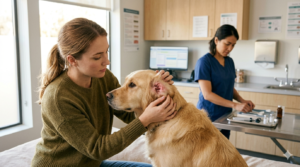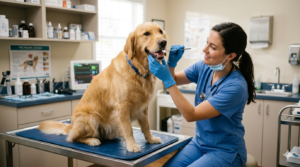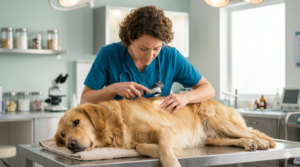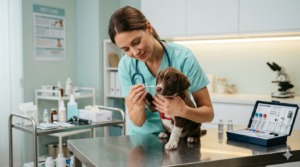

When your companion animal needs medical attention, finding a veterinary facility that combines expertise with genuine compassion becomes paramount. At Fremont Animal Clinic in Stockton, California, pet owners discover a different kind of veterinary experience—one rooted in decades of community service while embracing modern medical capabilities that make a real difference in animal health outcomes.
Located at 2223 E Fremont St, Stockton, CA 95205, this full-service facility has been serving the local community since 1956. That’s nearly seven decades of building relationships with families and their pets, learning what matters most when animals need care, and continuously evolving to meet changing medical standards.
What Sets a Modern Veterinary Facility Apart
Not all animal hospitals operate with the same resources or philosophy. Some clinics send everything out to external laboratories, creating delays when pets need immediate answers. Others lack the surgical capabilities to handle complex procedures. The difference becomes especially apparent during emergencies, when time matters and having comprehensive services under one roof can literally save lives.
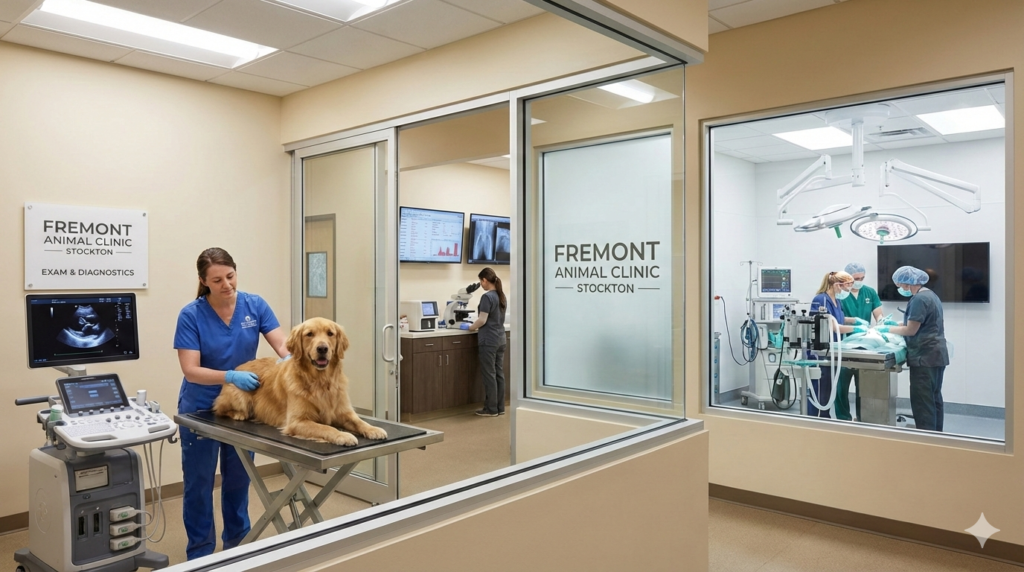
The fremont animal hospital distinguishes itself through an integrated approach to veterinary medicine. Rather than functioning as a basic examination room with limited capabilities, the facility operates more like a complete medical center designed specifically for animals. This means pet owners aren’t constantly being referred elsewhere for basic needs—most diagnostic work, surgical procedures, and follow-up care happen in the same building where their veterinarian already knows their pet’s history.
Comprehensive Diagnostic Capabilities That Speed Up Answers
Speed matters in veterinary medicine. When a dog shows concerning symptoms or a cat stops eating, waiting days for test results creates unnecessary stress for both the animal and the family. The in-house lab at this fremont animal care center changes that timeline dramatically.
Having diagnostics on-site means blood work gets processed within hours rather than days. X-rays get examined immediately. Urinalysis happens while you wait. This rapid turnaround doesn’t just ease anxiety—it enables veterinarians to start treatment sooner, which often improves outcomes significantly.
The diagnostic equipment includes digital radiography, which provides clearer images while exposing animals to less radiation than older film-based systems. Blood chemistry analyzers can detect subtle changes in organ function that might not produce visible symptoms yet. Complete blood counts reveal information about immune system health, anemia, and infection. These aren’t luxuries—they’re essential tools that inform better medical decisions.
For pet owners who’ve experienced the frustration of waiting for external lab results, the difference feels transformative. You walk in with a sick pet and walk out with answers and a treatment plan, rather than scheduling another appointment once results trickle in from somewhere else.
Surgical Services That Handle Simple to Complex Cases
Surgery represents one of the most significant divides between basic veterinary clinics and full-service animal hospitals. Some facilities simply can’t perform procedures beyond basic spay and neuter operations. When animals need tumor removals, orthopedic repairs, or emergency interventions, these clinics must refer families to distant specialty centers.
The surgery center at fremont animal hospital operates differently. It’s equipped to handle a broad spectrum of surgical needs, from routine procedures to more complex operations that require advanced technical skill.
Routine Surgical Procedures
Spay and neuter operations form the foundation of responsible pet ownership. These procedures prevent unwanted litters, reduce certain health risks, and often improve behavioral issues. At this facility, these surgeries follow standardized protocols that prioritize safety. Anesthesia monitoring happens continuously during procedures. Pain management extends into the recovery period. Post-operative instructions come with clear guidance about what to watch for at home.
Advanced Surgical Interventions
Beyond basic procedures, the surgical capabilities extend to soft tissue surgeries like mass removals, bladder stone extractions, and gastrointestinal repairs. When pets suffer injuries from accidents or develop conditions requiring surgical intervention, having access to trauma care locally rather than traveling to distant emergency facilities makes a crucial difference.
The orthopedic surgery services address fractures, ligament repairs, and joint problems that affect mobility and quality of life. Dogs who tear their cruciate ligaments, cats who break bones, and animals suffering from congenital joint issues can receive treatment without leaving Stockton.
Each surgical suite maintains sterile conditions comparable to human operating rooms. Surgical instruments undergo proper sterilization protocols. Anesthesia equipment includes modern monitoring systems that track heart rate, blood oxygen levels, and respiratory function throughout procedures.
On-Site Pharmacy: Convenience That Supports Treatment Compliance
Here’s something many pet owners don’t consider until they face it: getting medications filled for a sick animal can be surprisingly complicated. Prescriptions written at veterinary clinics often require trips to specialty compounding pharmacies or waiting for mail-order deliveries. When an animal needs antibiotics immediately or requires pain medication after surgery, delays create real problems.
The in-house pharmacy solves this practical challenge. Medications go home with pet owners the same day treatments begin. This immediacy matters significantly for treatment success—studies consistently show that medication compliance improves when prescriptions can be filled immediately rather than requiring separate errands.
The pharmacy stocks commonly needed medications for various conditions. Antibiotics for infections. Pain medications for post-operative comfort. Chronic condition medications for ongoing management. Parasite prevention products that protect against fleas, ticks, and heartworms. Having these readily available means treatment starts right away rather than tomorrow or next week.
Preventive Care Programs That Keep Pets Healthy
Treatment matters, certainly, but preventing problems in the first place delivers better outcomes at lower emotional and financial costs. The preventive care philosophy emphasizes regular wellness examinations that catch problems early when they’re most treatable.
Annual examinations for adult pets and more frequent checkups for seniors create opportunities to detect subtle changes before they become serious conditions. Weight changes might signal metabolic problems. Dental issues caught early prevent painful infections later. Heart murmurs detected during routine exams lead to management strategies that extend quality of life.
Vaccination Protocols
Vaccinations represent one of veterinary medicine’s most significant contributions to animal health. The diseases these vaccines prevent—parvovirus, distemper, rabies, feline leukemia—can be devastating or fatal. Modern vaccination protocols follow guidelines established by veterinary medical associations, tailoring vaccine schedules to individual animals based on lifestyle and risk factors rather than using one-size-fits-all approaches.
Dental Health Services
Dental disease affects the majority of dogs and cats over three years old. What starts as plaque buildup becomes tartar, then gingivitis, eventually leading to painful infections, tooth loss, and bacteria that can spread to internal organs. The dental care services include professional cleanings performed under anesthesia, allowing thorough scaling and polishing that removes disease-causing buildup above and below the gumline.
Regular dental care doesn’t just prevent bad breath—it extends lifespan by reducing the burden of chronic infection on the body. Many pet owners report dramatic improvements in their animals’ energy levels and appetite after dental disease gets properly addressed.
Specialized Services for Specific Needs
Beyond core services, the facility offers specialized care for conditions that benefit from focused expertise.
Dermatology Care
Skin conditions frustrate both pets and owners. Constant scratching disrupts sleep. Recurring infections require repeated treatment courses. Food allergies, environmental sensitivities, parasites, and immune conditions all present through skin symptoms that require systematic investigation. The dermatology services work through diagnostic processes that identify underlying causes rather than just treating symptoms repeatedly.
Emergency and Urgent Care
Accidents don’t wait for business hours. Animals experience sudden illnesses that need prompt attention. The urgent care services provide access when health problems arise unexpectedly. While not a 24-hour emergency facility, the clinic maintains hours Monday through Saturday from 8 am to 6 pm, offering same-day appointments when situations warrant immediate evaluation.
Additional Services
Microchipping provides permanent identification that reunites lost pets with families. Unlike collars that can fall off, microchips remain in place for an animal’s lifetime. The simple procedure takes minutes and significantly improves the chances of recovering lost pets.
The Technology Behind Better Outcomes
Modern veterinary medicine relies on technology that would have seemed impossible a generation ago. Digital records mean complete medical histories remain accessible instantly rather than buried in paper files. Digital radiography produces clearer images while reducing radiation exposure. Blood analyzers deliver accurate results quickly.
But technology alone doesn’t create quality care. The equipment serves skilled veterinarians and trained support staff who know how to interpret results and apply findings to individual animals. This combination—advanced tools in experienced hands—generates the improved outcomes that matter to pet owners.
What to Expect During Your Visit
First-time visitors to fremont animal care center often notice the difference immediately. The reception area feels welcoming rather than clinical. Staff members greet pets by name. Examination rooms accommodate nervous animals and anxious owners alike.
The veterinary team takes time to explain findings clearly. Diagnostic results get shared with visual aids when helpful. Treatment options get presented with honest discussions about prognosis and realistic expectations. Questions receive thoughtful answers rather than rushed responses.
This communication matters tremendously. Pet owners can’t make informed decisions without understanding what’s happening with their animals and what different treatment paths might involve.
Understanding Costs and Value in Veterinary Care
Veterinary costs concern many pet owners, especially when facing unexpected medical situations. While the clinic doesn’t publish pricing online—costs vary significantly based on specific conditions and treatments—the comprehensive on-site services often provide better value than they might initially appear.
Consider diagnostic work. Paying for in-house laboratory testing might seem more expensive than basic examination fees, but it eliminates the costs and delays of outside laboratories. Surgery performed locally prevents the substantially higher charges typical at specialty referral centers. Immediate access to pharmacy medications avoids expedited shipping fees.
The integrated approach often costs less overall while delivering faster results and more convenient care.
Comparing Full-Service Facilities to Basic Clinics
Pet owners sometimes wonder whether comprehensive facilities like this fremont animal hospital truly offer advantages over smaller neighborhood clinics. The differences become clear when examining specific scenarios.
A basic clinic examining a vomiting dog might offer supportive care and recommend monitoring. A full-service facility can run blood work immediately, perform abdominal radiographs, and identify intestinal obstructions or organ problems that require urgent intervention. The same-day diagnostic capability often means the difference between treating problems early versus waiting until conditions deteriorate.
For surgical needs, basic clinics routinely refer complex cases to specialty centers that might be hours away. Full-service facilities handle most procedures in-house, saving families the stress and expense of distant specialty referrals.
Emergency situations particularly highlight these differences. When pets experience trauma or sudden severe illness outside regular business hours, having weekday and Saturday availability provides options beyond the most expensive emergency-only hospitals.
Client Questions Answered
-
How do I schedule an appointment at this Stockton location?
Call (209) 465-7291 during business hours to schedule. Same-day appointments are often available when medical situations warrant prompt attention. The clinic operates Monday through Friday 8 am to 6 pm and Saturday 8 am to 6 pm, with Sunday closures.
-
What happens during a typical wellness examination?
Wellness exams include physical assessment from nose to tail. The veterinarian checks eyes, ears, teeth, heart, lungs, abdomen, skin, joints, and lymph nodes. Weight and body condition get evaluated. Vaccination status gets reviewed. Behavior and lifestyle get discussed to identify any concerns. Blood work may be recommended for senior pets or when baseline health screening makes sense.
-
Can this facility handle emergency situations?
While not a 24-hour emergency hospital, the clinic provides urgent care during regular operating hours. Many situations that seem like emergencies can be addressed during these times. For after-hours critical emergencies, nearby 24-hour facilities provide overnight and Sunday coverage.
-
What makes the surgical capabilities different from other local clinics?
The combination of experienced surgeons, complete monitoring equipment, and recovery facilities allows handling procedures that many clinics must refer elsewhere. From routine spays to complex soft tissue surgeries and orthopedic repairs, most surgical needs can be addressed without traveling to distant specialty centers.
-
How does having an on-site laboratory change the veterinary visit experience?
Results availability during the same visit allows treatment to begin immediately rather than waiting days for external lab results. This speed matters significantly when animals are sick or injured. It also reduces the number of appointments needed since diagnosis and treatment planning happen during a single visit.
-
Does the clinic work with multiple pet insurance companies?
The facility provides detailed invoices that pet owners can submit to their insurance companies for reimbursement. While pet insurance has become increasingly common, policies vary significantly in coverage. Discussing treatment costs upfront allows families to make informed decisions about proceeding with recommended care.
-
What differentiates this facility from chains or corporate veterinary hospitals?
Independent ownership means decisions prioritize patient care over corporate metrics. The facility has served the Stockton community since 1956, building relationships spanning multiple generations of families and their pets. This continuity creates trust and familiarity that benefits ongoing care.
The Bigger Picture of Comprehensive Pet Health
Modern veterinary medicine offers capabilities that extend both the length and quality of companion animal lives. Dogs and cats who once succumbed to diseases now treatable live longer, healthier lives. Diagnostic tools identify problems earlier when intervention proves most effective. Surgical techniques continue advancing, offering solutions that didn’t exist even a decade ago.
Accessing this level of care requires finding facilities equipped to deliver it. Location matters—traveling hours for routine care isn’t sustainable. Comprehensiveness matters—having services available locally prevents constant referrals elsewhere. Experience matters—veterinarians who’ve served communities for decades bring wisdom that newer practices haven’t yet accumulated.
For Stockton families seeking veterinary care that combines modern capabilities with genuine compassion, the facility at 2223 E Fremont St represents a resource worth getting to know. Whether your pet needs routine preventive care, has developed a chronic condition requiring ongoing management, or faces an unexpected health crisis, having a full-service partner in their care makes navigating veterinary medicine significantly less overwhelming.
The decades of service to the community speak to something important. Clinics that don’t serve patients well don’t last sixty-eight years. The investment in advanced equipment and trained staff demonstrates commitment to quality that extends beyond basic veterinary services. Most importantly, the focus on making comprehensive care accessible locally rather than requiring families to travel extensively for specialized services reflects an understanding of what pet owners actually need when their animals require medical attention.
Your companion animals deserve access to quality veterinary medicine when they need it. Knowing where to find that care before emergencies arise makes responding to health challenges less stressful and more effective.
Ready to experience comprehensive veterinary care for your pet? Contact Fremont Animal Clinic at (209) 465-7291 to schedule an appointment. The facility welcomes new clients and looks forward to becoming your partner in keeping your companion animals healthy and happy for years to come.