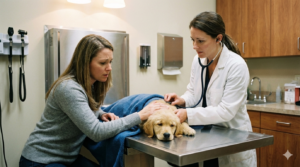

You’ve heard both terms countless times at the veterinarian’s office, from animal shelters, and in conversations with other pet owners. Spay. Neuter. Sometimes people use them interchangeably, as if they mean the same thing. But here’s what confuses many new pet owners: these procedures are fundamentally different operations performed on different sexes, even though they serve similar purposes.
Understanding the difference between spay and neuter goes beyond just knowing which term applies to males versus females. It involves grasping what each surgery entails, why veterinarians recommend them so strongly, what happens during recovery, and how these procedures affect your pet’s long-term health. Let’s clear up the confusion and help you make informed decisions about your companion animal’s reproductive health.
The Basic Distinction: What Each Term Actually Means
The terminology itself creates some of the confusion. “Spay” and “neuter” sound completely different, which leads people to assume they’re entirely separate concepts. In reality, both terms describe surgical sterilization—rendering an animal unable to reproduce—but they apply to different biological sexes and involve different surgical techniques.
Spaying, technically called an ovariohysterectomy, is the surgical sterilization of female animals. During this procedure, a veterinarian removes the ovaries and usually the uterus, preventing the female from going into heat cycles and eliminating her ability to become pregnant. The term “spay” comes from the surgical instrument originally used for this procedure.
Neutering refers to the surgical sterilization of male animals, technically termed castration or orchiectomy. This operation involves removing both testicles, which eliminates the male’s ability to impregnate females and significantly reduces testosterone-driven behaviors. While “neuter” technically can apply to making any animal sterile regardless of sex, in common veterinary usage it specifically means male sterilization.
Some confusion arises because “altering,” “fixing,” and “desexing” work as catch-all terms for sterilizing animals of either sex. When someone says their pet is “fixed,” they mean the animal has been surgically sterilized, whether through spaying or neutering.
Why These Procedures Matter So Much
Walk into any animal shelter and ask about their biggest challenge. Overpopulation ranks near the top of every list. Millions of healthy, adoptable dogs and cats enter shelters annually. Many never leave. The mathematics are stark—more animals are born than homes exist to care for them.
Pet spay neuter surgeries represent the most effective tool for addressing this crisis. One unspayed female cat and her offspring can theoretically produce over 370,000 cats in seven years under ideal breeding conditions. While real-world numbers are lower due to various limiting factors, the reproductive potential remains staggering. Dogs reproduce more slowly, but an unspayed female and her descendants can still produce hundreds of puppies over several years.
Beyond population control, these procedures offer significant health benefits for individual animals. Spayed females avoid uterine infections and have drastically reduced rates of mammary cancer, especially when spayed before their first heat cycle. Neutered males eliminate testicular cancer risk entirely and significantly reduce prostate problems.
The behavioral improvements often matter most to pet owners in daily life. Unspayed females go through heat cycles that involve bleeding, behavioral changes, and attracting every intact male in the neighborhood to your yard. Neutered males show reduced aggression, less territorial marking, and decreased roaming behavior driven by the urge to find mates.
The Female Side: What Spaying Involves
When you schedule a spay surgery for your female pet, understanding what actually happens helps manage expectations and prepare for proper aftercare.
The Surgical Procedure
Spaying requires general anesthesia. Your pet arrives at the veterinary facility in the morning, typically after fasting overnight to prevent complications during anesthesia. The veterinary team performs pre-surgical blood work to ensure your pet can safely handle anesthesia and the stress of surgery.
Once anesthetized, your pet receives careful monitoring throughout the procedure. Heart rate, respiratory function, blood oxygen levels, and blood pressure all get tracked continuously. This monitoring catches potential problems immediately, allowing the surgical team to respond before complications become serious.
The surgeon makes an incision through the abdominal wall, typically along the midline of the belly. Through this opening, the veterinarian locates the reproductive organs—the ovaries, which sit near the kidneys, and the uterus, which extends down through the abdomen. The surgeon carefully ligates (ties off) blood vessels supplying these organs, then removes the ovaries and usually the entire uterus.
Some veterinarians perform ovariectomy instead, removing only the ovaries while leaving the uterus. This approach works well for young, healthy females and involves a smaller incision. The surgery method depends on your pet’s age, health status, and your veterinarian’s preferred technique based on training and experience.
After removing the reproductive organs, the surgeon closes the incision in layers—first the abdominal wall, then the subcutaneous tissue, and finally the skin. Some vets use external sutures that require removal in 10-14 days. Others use absorbable internal sutures that dissolve on their own.
Recovery and Aftercare
The first 24 hours post-surgery require close monitoring. Most pets go home the same day, though some veterinary facilities keep animals overnight for observation. Your pet will be groggy from anesthesia and might seem disoriented or emotionally sensitive.
Pain management continues at home with prescribed medications. Contrary to outdated beliefs, animals absolutely feel pain after surgery, and proper pain control helps healing while keeping pets comfortable. Never skip pain medications or substitute over-the-counter human drugs, which can be toxic to pets.
Activity restriction lasts typically 10-14 days. No running, jumping, rough play, or stairs if avoidable. This requirement frustrates many pet owners whose animals seem to feel fine within a day or two. But internal healing takes longer than external appearances suggest, and premature activity can cause complications like hernias or internal bleeding.
The incision needs protection from licking, which introduces bacteria and can remove sutures. Elizabethan collars (the dreaded “cone of shame”) prevent this, though surgical suits provide alternatives some pets tolerate better.
The Male Side: What Neutering Entails
Neutering male pets involves different anatomy and surgical techniques, though the principles remain similar to spaying.
The Surgical Procedure
Males also receive general anesthesia and pre-surgical evaluation. The actual surgery, however, is generally simpler and quicker than spaying because the testicles sit externally rather than internally.
The veterinarian makes an incision anterior to the scrotum, through which both testicles are removed. The surgeon ligates the spermatic cords that contain blood vessels and the vas deferens. Once both testicles are removed, the incision gets sutured closed.
The procedure typically takes less time than spaying because it doesn’t involve entering the abdominal cavity. This often translates to slightly lower surgical risk and cost, though both procedures are considered routine with high success rates.
Recovery and Aftercare
Male recovery follows similar principles to female recovery—pain management, activity restriction, and incision protection. However, males often bounce back faster because the surgery is less invasive. Many neutered males seem almost normal within 24 hours, though the same 10-14 day activity restriction applies.
Swelling in the scrotal area is normal for the first few days. The scrotum itself remains but will shrink over time as the body reabsorbs the tissue. This sometimes concerns owners who expect the scrotum to disappear immediately—it won’t, but it becomes less prominent over weeks to months.
Age Considerations: When Should These Procedures Happen?
Veterinary recommendations on optimal timing have evolved over the years as research provides new insights. Traditional advice suggested spaying or neutering around six months of age. Current understanding presents a more nuanced picture.
Pediatric Sterilization
Some shelters and rescue organizations perform these surgeries as early as eight weeks old, before adoption. This pediatric approach ensures adopted animals are already sterilized, preventing accidental litters. The procedures are safe at this age when performed by experienced veterinarians, though recovery happens quickly in young animals.
Traditional Timing
Six months remains a common recommendation, particularly for preventing unwanted pregnancies while allowing some physical development. This timing works well for many pets, especially small to medium-sized dogs and cats.
Delayed Sterilization for Large Breeds
Recent research suggests that large and giant breed dogs might benefit from delayed sterilization, waiting until physical maturity around 12-18 months. Growth plates close under hormonal influence, and early sterilization might increase risks of certain orthopedic problems in breeds prone to hip dysplasia or cruciate ligament disease.
The decision involves balancing multiple factors: breed size, individual health, lifestyle factors affecting pregnancy risk, and specific medical considerations. Discussing timing with your vet near me helps determine the best approach for your particular pet.
Common Myths and Misconceptions
Misinformation about spaying and neutering circulates widely, often based on outdated information or emotional reactions rather than scientific evidence.
“My pet will get fat”
Weight gain after sterilization happens, but not inevitably. These procedures reduce metabolic rate slightly and eliminate some hormone-driven activity, lowering caloric needs. Pets gain weight when caloric intake exceeds expenditure. Adjusting food portions and maintaining exercise prevents obesity in sterilized pets just as it does in intact ones.
“It changes their personality”
Spaying and neutering don’t fundamentally alter your pet’s core temperament. A playful, affectionate dog remains playful and affectionate. A timid cat stays timid. What changes are hormone-driven behaviors—aggression, roaming, marking territory. These shifts usually improve quality of life for both pets and owners.
“My male dog needs to breed once” or “My female should have one litter”
No medical benefit exists to allowing animals to reproduce before sterilization. This myth persists despite being thoroughly debunked. In fact, spaying before the first heat cycle provides the greatest reduction in mammary cancer risk.
“The procedure is dangerous”
Like any surgery, spaying and neutering carry some risk. However, these rank among veterinary medicine’s most commonly performed procedures with excellent safety records. Complications are rare, especially in young, healthy animals. The health benefits far outweigh the minimal surgical risks for the vast majority of pets.
“Recovery takes weeks”
While full internal healing does take time, most pets resume relatively normal behavior within days. They need activity restriction for about two weeks, but this doesn’t mean they’ll be suffering or immobile. Most pets handle recovery remarkably well with appropriate pain management.
The Financial and Practical Realities
Let’s address the practical considerations that influence decision-making around these procedures.
Investment in Long-term Health
Spaying and neutering represent proactive health investments. The surgeries cost less than treating the conditions they prevent. Pyometra, a life-threatening uterine infection in unspayed females, requires emergency surgery that costs significantly more than routine spaying. Cancer treatments exceed spaying or neutering costs many times over.
Community Resources
Many communities offer low-cost spay and neuter programs, particularly through animal welfare organizations. These programs make sterilization accessible to families who might otherwise struggle with the expense. While low-cost options provide essential service, they typically offer less individual attention and may not include the comprehensive pre-surgical screening or post-operative support that full-service veterinary facilities provide.
Choosing where to have the pet spay neuter procedure performed involves balancing cost considerations with the level of care and attention you want for your pet. Full-service veterinary hospitals like Fremont Animal Clinic offer advantages including complete pre-surgical assessment, continuous surgical monitoring, comprehensive pain management, and available follow-up care if concerns arise during recovery.
Special Situations and Alternatives
While traditional spaying and neutering work for most pets, some situations call for different approaches.
Medical Contraindications
Certain health conditions complicate or prohibit these surgeries. Pets with severe heart disease, clotting disorders, or other serious medical issues might face unacceptable surgical risks. In these cases, careful management of the pet’s reproductive status through environmental control becomes necessary.
Breeding Animals
Responsible breeders maintain intact animals for breeding programs. This choice comes with significant responsibilities—genetic health testing, careful mate selection, prenatal and postnatal care, and ensuring offspring find appropriate homes. Casual breeding “because puppies are cute” or “to teach children about birth” doesn’t qualify as responsible breeding and contributes to overpopulation problems.
Alternative Procedures
Some alternatives exist, though they’re less common. Vasectomy in males preserves hormone production while preventing reproduction. Ovary-sparing spay in females maintains hormonal function while preventing pregnancy. These options appeal to owners who want to prevent reproduction while maintaining the potential health benefits of sex hormones.
However, these alternatives don’t provide the behavioral or disease prevention benefits of traditional sterilization. Males remain testosterone-driven. Females continue heat cycles. Most veterinarians don’t routinely offer these alternatives, as the standard procedures provide superior overall outcomes for pet health and behavior.
Real Stories: How Sterilization Changed Things
Sometimes abstract health benefits and behavioral changes become clearer through real experiences.
Luna’s Transformation
Maria’s rescued female dog Luna went through her first heat cycle at seven months, before Maria could schedule spaying. Those three weeks proved challenging—Luna bled on furniture, seemed anxious and restless, and the neighborhood’s intact males gathered at Maria’s fence howling constantly. Male dogs followed them on walks. Luna tried to escape the yard.
After the heat cycle ended, Maria scheduled Luna’s spay surgery. Recovery went smoothly with careful activity restriction and pain management. Six months later, Maria reflected on the difference. No more heat cycles. No more anxious behavior. No more neighborhood males camping in her yard. Luna seemed more settled, more focused during training, more affectionate without the hormonal fluctuations.
Max’s Behavioral Shift
Tom adopted Max, an intact male terrier mix, from a family that could no longer keep him. Max was two years old and exhibited significant territorial marking behavior, lifting his leg on furniture inside Tom’s house. He showed aggression toward other male dogs during walks. He’d disappear from the yard regularly, gone for hours despite a secure fence—he’d learned to dig underneath it.
Tom’s veterinarian strongly recommended neutering, explaining how testosterone drove much of Max’s problem behaviors. Tom agreed, and Max underwent the procedure. The changes didn’t happen overnight, but within six weeks, the marking behavior decreased dramatically. Max still showed interest in other male dogs but with less intensity and aggression. The escape attempts stopped completely.
“I wish I’d known neutering would make this much difference,” Tom said. “I would have done it immediately instead of dealing with months of behavioral problems.”
Questions Pet Owners Actually Ask
Let’s address the specific concerns that come up frequently when discussing these procedures.
-
Will my pet’s energy level change?
Energy levels reflect genetics, age, health, and exercise opportunities more than reproductive status. A high-energy breed neutered at six months remains high-energy. Proper exercise and mental stimulation matter more than whether your pet is intact or sterilized.
-
Can these procedures be reversed?
No. Both spaying and neutering permanently remove reproductive organs. This irreversibility is one reason veterinarians encourage thoughtful consideration of timing, particularly for large breed dogs where delayed sterilization might offer benefits.
-
What if my pet has a retained testicle?
Cryptorchidism, where one or both testicles fail to descend into the scrotum, requires surgery regardless of whether you planned to neuter. Retained testicles have high cancer rates and must be removed. The surgery is more complex because it requires abdominal exploration to locate and remove the undescended testicle.
-
Do female cats need to be spayed?
Yes. The myths about cats being “different” or not benefiting from spaying are false. Spayed cats avoid pyometra, have reduced mammary cancer risk, and don’t experience heat cycles. Cat heat cycles are particularly intense—loud vocalization, rolling behavior, and desperate attempts to escape outdoors to find males.
-
My dog is older—is it too late?
While younger animals generally handle surgery better, healthy older pets can be safely spayed or neutered. The health benefits still apply. Pre-surgical blood work becomes even more important to ensure safe anesthesia. Discuss your older pet’s specific situation with your veterinarian to assess individual risk.
Preparing for the Procedure
Once you’ve scheduled the surgery, proper preparation helps everything go smoothly.
Pre-Surgical Instructions
Follow fasting guidelines carefully. Typically, pets should have no food after midnight before surgery, though water is usually allowed until morning. Food in the stomach during anesthesia creates aspiration risk. If your pet eats despite instructions, call the clinic immediately—the surgery may need rescheduling.
Ensure your pet is relatively calm before surgery. Extremely anxious animals sometimes require sedation before anesthesia induction. If your pet has severe anxiety, discuss this with the veterinary team beforehand.
What to Bring
Bring your pet’s medical records if using a new vet near me or transferring from another facility. Know what medications your pet takes and when the last dose was given. Bring your cell phone and keep it charged—the surgical team may call with updates or questions.
Setting Up Recovery Space
Before pickup, prepare a quiet recovery area at home. Choose a space away from stairs, without high furniture your pet might jump on, and comfortable for several days of restricted activity. Have pain medications ready. Prepare easy-to-digest foods for the first meal after surgery.
The Bigger Picture
Individual decisions about spaying and neutering contribute to community-wide impacts. Areas with high sterilization rates see fewer stray animals, reduced shelter intake, and lower euthanasia numbers. Neighborhoods with mostly sterilized pets experience less nuisance behavior—roaming, fighting, territorial marking.
Preventive care encompasses more than just these surgeries, but sterilization represents a foundational element of responsible pet ownership. Combined with regular veterinary care, appropriate nutrition, and proper training, spaying or neutering helps ensure your pet lives a longer, healthier, happier life.
The conversation around these procedures continues evolving as veterinary research provides new insights. What remains constant is the overwhelming evidence that for the vast majority of companion animals, the benefits of sterilization significantly outweigh any risks or drawbacks.
Making Your Decision
If you’re still uncertain about whether your pet needs spaying or neutering, or you’re wondering about optimal timing, schedule a consultation with your veterinarian. These discussions should cover your specific pet’s health status, breed considerations, lifestyle factors, and your concerns or questions.
Located at 2223 E Fremont St in Stockton, California, Fremont Animal Clinic provides comprehensive spay and neuter services as part of their commitment to preventive veterinary care. The facility operates Monday through Friday and Saturday from 8 am to 6 pm, making it convenient to schedule consultations and procedures without extensive disruption to your schedule.
Every pet deserves thoughtful consideration of their individual needs. Spaying and neutering aren’t one-size-fits-all decisions, though they benefit the overwhelming majority of companion animals. Understanding the difference between these procedures, their benefits, and what to expect helps you make informed choices for your pet’s long-term health and wellbeing.
Have questions about spaying or neutering your pet? Contact Fremont Animal Clinic at (209) 465-7291 to discuss your pet’s specific needs and schedule a consultation. The experienced veterinary team provides comprehensive information to help you make the best decisions for your companion animal’s health. Visit the spay and neuter FAQs for additional information.