
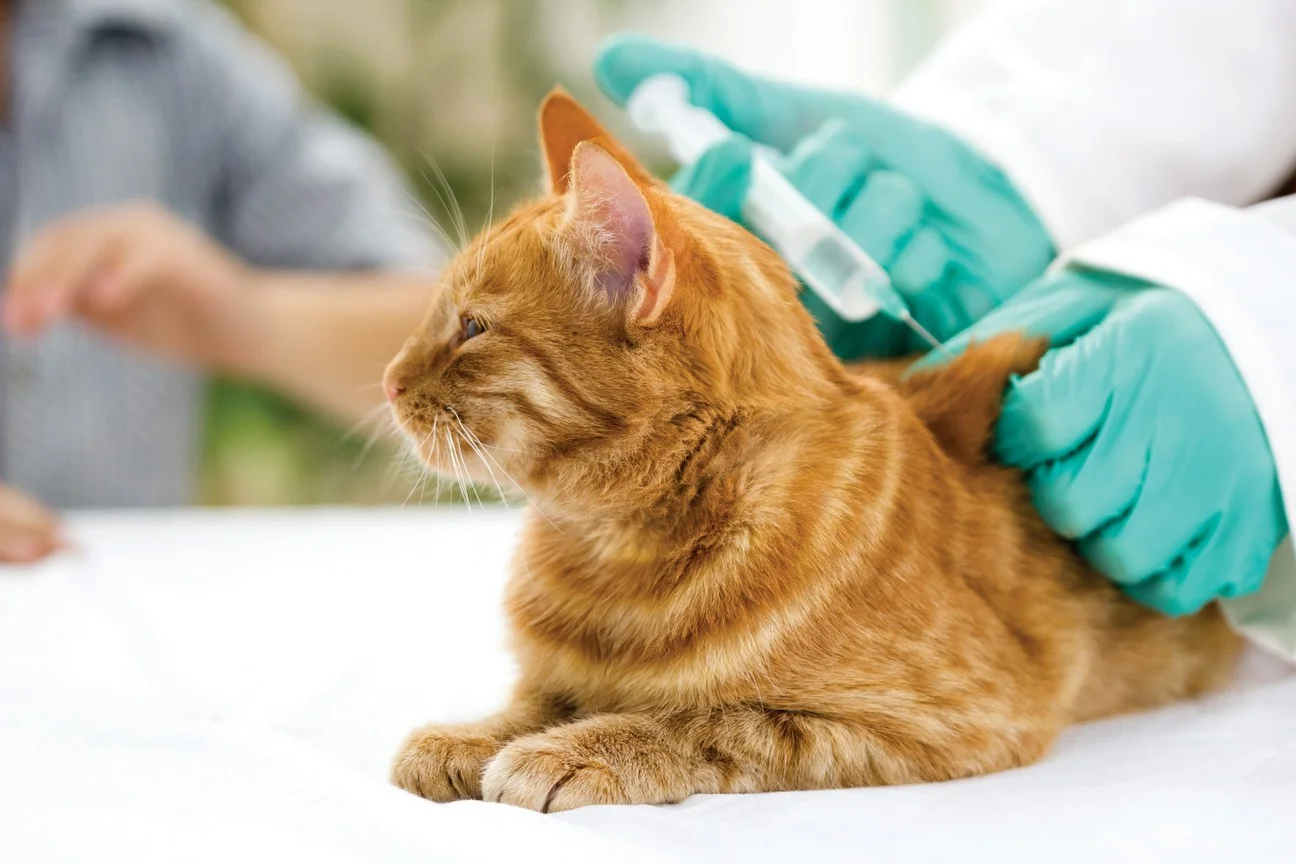
At Fremont Pet Clinic in Stockton, CA, one of our favorite topics to discuss with our clients is pet vaccinations. As a trusted animal vaccination clinic, we know that keeping your pet vaccinated and up-to-date is one of the best ways to protect them from serious, life-threatening illnesses. Vaccines are a quick and effective tool to ensure your furry friend stays happy and healthy for years to come.
Vaccinations are essential for maintaining your pet’s health, but their benefits extend beyond just your individual pet. Vaccines protect your pet, other animals, and even humans by reducing the spread of harmful diseases. From a financial perspective, vaccinations are also a cost-effective preventive measure. Treating a sick pet often requires expensive medical care, which can be avoided by staying current on vaccines.
Additionally, many local and state authorities require proof of certain vaccinations, such as rabies. Pet owners who fail to comply with these regulations may face fines. Beyond legal compliance, vaccines are necessary for boarding facilities, doggie daycare centers, and even professional grooming services. Understanding the services offered by Just Animals Vaccine Clinic ensures your pet receives proper care and remains protected. Ensuring your pet is vaccinated keeps them safe and ready for any activity, and in case of emergencies, a reliable emergency vet near me can provide additional support.
Vaccines fall into two categories: core and non-core.
Core vaccines are recommended for all pets because they protect against widespread and potentially fatal diseases.
Non-core vaccines are optional and depend on factors like your pet’s age, lifestyle, location, and risk of exposure.
For both dogs and cats, a rabies vaccine is mandatory.
For Dogs:
Core vaccines include: Distemper, Parvovirus, Adenovirus
Non-core vaccines for dogs include: Bordetella, Leptospira, Lyme disease
For Cats:
Core vaccines include: Feline rhinotracheitis, Panleukopenia, Calicivirus
Non-core vaccines for cats include: Bordetella, Feline Immunodeficiency Virus (FIV), Chlamydophila
Yes! Even indoor cats should be vaccinated. There’s always a chance they might accidentally escape outdoors, where they could be exposed to harmful viruses. Furthermore, some viruses can enter your home on the shoes or clothing of family members or via other pets that go outside.
