Preparing for pet surgery in Stockton CA starts long before the day of the procedure. The decisions made in the week leading up to surgery, the conversations with your veterinarian, and the choices around fasting, medications, and recovery setup all shape how smooth the experience will be for your animal. Whether your dog is heading in for a spay, your cat for a mass removal, or your senior pet for an orthopedic repair, the same core principles apply: preparation reduces complications, controls anxiety, and shortens recovery time. This guide walks Stockton pet owners through every stage of the process, from the first consultation through the last week of home healing, with clear timelines and the questions worth asking at each step.
Why Preparation Matters More Than Most Owners Realize
Surgery, even routine surgery, places real stress on a pet’s body. Anesthesia, blood loss, fasting, and the psychological impact of an unfamiliar environment all factor into recovery. Pets that go into a procedure healthy, well-fed in the right window, and calm tend to wake up faster, heal cleaner, and return to themselves sooner.
The American Animal Hospital Association emphasizes that many surgical complications come down to factors owners control at home: skipped pre-op instructions, missed medication disclosures, undisclosed supplements, or rushed recovery routines. Most of these issues are preventable when you understand exactly what’s expected of you before, during, and after the procedure.
What Happens at the Pre-Surgery Consultation
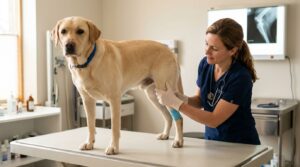
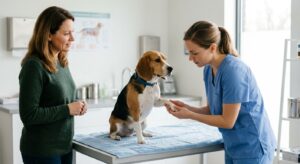
The first formal step is the pre-op consultation. Your veterinarian examines your pet, reviews medical history, and orders bloodwork to check for hidden conditions that might affect anesthesia. For older pets or animals with chronic issues, this often includes a chemistry panel, complete blood count, and sometimes chest imaging.
Key topics typically covered at this visit:
- Current medications and supplements, including over-the-counter joint and pain products
- Previous reactions to anesthesia, if any
- Pre-existing conditions like heart murmurs, kidney disease, or diabetes
- Body weight and condition score, since both affect anesthesia dosing
- Vaccination status and recent exposure to contagious illnesses
This is also the right time to ask about expected procedure length, anesthesia type, monitoring protocols, recovery timeline, and any home prep you’ll need to do. A clinic offering pet surgery in Stockton CA should answer these questions plainly and without hedging. Hesitation here usually signals a thinner support structure behind the surgery itself.
The Days Before Surgery: Practical Pre-Op Steps
Fasting and Water Restrictions
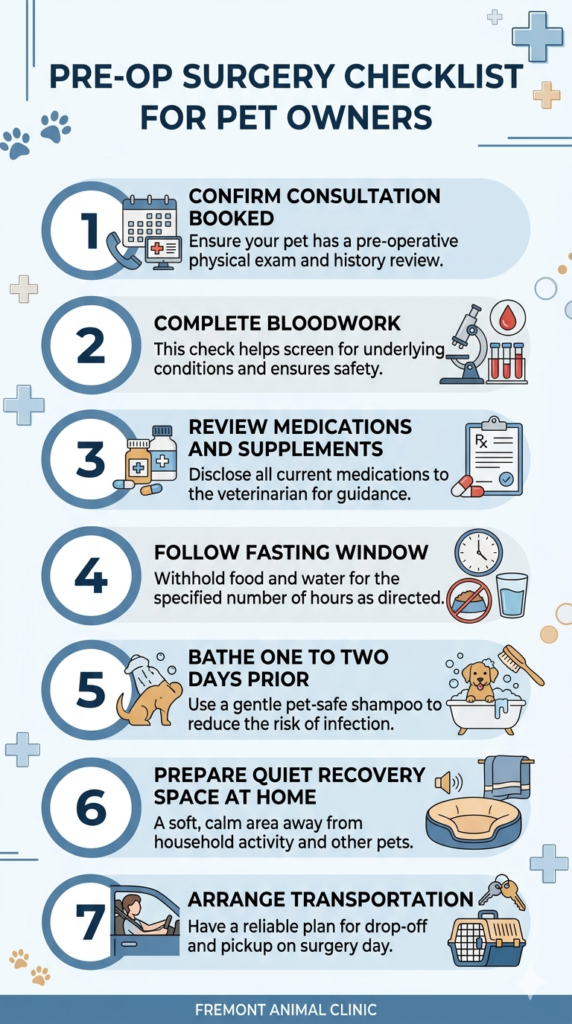
Most pets need to stop eating eight to twelve hours before anesthesia to prevent vomiting and aspiration during the procedure. Water restriction is usually shorter, often two hours, but follow your vet’s exact instructions. Puppies, kittens, diabetic pets, and very small breeds have different rules and may need carefully timed feeding to maintain blood sugar.
Bathing and Coat Care
A clean coat reduces infection risk at the surgical site. Bathing one to two days before surgery is ideal, especially for procedures that involve a shaved area. Don’t bathe on the day of surgery, since wet skin and excited pets create complications at intake.
Medication and Supplement Review
Stop certain supplements at least a week before surgery. Fish oil, joint supplements with anti-inflammatory ingredients, and some pain relievers can affect blood clotting. Your vet will tell you which prescription medications to continue, pause, or adjust in the days leading up to the procedure.
Combining Procedures While Under Anesthesia
Many owners choose to handle additional procedures while the pet is already under anesthesia. Pet microchipping near me, dental cleaning, and minor mass removals are commonly bundled with planned surgery to reduce overall anesthesia exposure across multiple visits. Discuss this option during the consultation if it makes sense for your pet’s situation.
Transportation and Drop-Off
Plan for a quiet, controlled drop-off. Bring familiar items like a towel that smells like home. Allow extra time so your pet doesn’t feel rushed through intake. Confirm pickup window expectations and after-hours contact methods before you leave.
Understanding Anesthesia and In-Surgery Monitoring
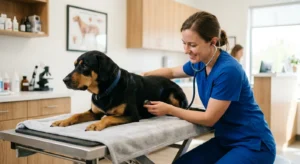
Modern veterinary anesthesia is significantly safer than it was twenty years ago, largely because of improved monitoring technology. A clinic running responsible animal emergency and trauma hospital protocols tracks heart rate, respiratory rate, blood oxygen saturation, blood pressure, and core temperature throughout the procedure.
Two questions worth asking before any surgery:
- Who monitors my pet during the procedure?
- What equipment is used to track vitals?
A dedicated veterinary technician monitoring throughout, supported by multi-parameter equipment, is the modern standard. The American College of Veterinary Surgeons consistently identifies continuous anesthetic monitoring as one of the strongest predictors of safe surgical outcomes across all species and procedure types. The American College of Veterinary Anesthesia and Analgesia publishes detailed guidelines for monitoring practices that the most experienced veterinary teams follow closely. A closer look at Fremont Animal Clinic’s services and technology gives a clearer picture of what that level of monitoring actually looks like in practice.
Common Types of Pet Surgery and What to Expect
Different procedures carry different prep timelines and recovery expectations. Below is a comparison of common surgical categories:
| Surgery Type | Typical Duration | Recovery Timeline | Common Risks |
|---|---|---|---|
| Spay or neuter | 20 to 60 minutes | 10 to 14 days | Infection, swelling |
| Mass or tumor removal | 30 to 90 minutes | 10 to 21 days | Bleeding, biopsy follow-up |
| Dental extraction | 30 to 120 minutes | 7 to 14 days | Gum infection, jaw pain |
| Orthopedic repair | 1 to 3 hours | 8 to 16 weeks | Implant issues, swelling |
| Soft tissue surgery | Variable | 2 to 4 weeks | Wound separation |
| Foreign body removal | 1 to 2 hours | 10 to 21 days | Adhesions, peritonitis |
For complex bone, joint, and ligament cases, having orthopedic surgery animals stockton ca available within the same clinic eliminates the need for outside referrals, which adds both time and stress to an already difficult situation. The same continuity applies to spay and neuter procedures, which are commonly classed as routine but require the same monitoring discipline as any anesthetic event. Practices offering pet breeding services stockton ca usually handle these surgical reproductive procedures in the same controlled environment, with the same equipment and trained staff.
A Patient Story: Max’s ACL Recovery in Stockton
Max, a five-year-old golden retriever from north Stockton, tore his cranial cruciate ligament chasing a squirrel one Saturday afternoon. His family chose surgical repair after a consultation that included a chemistry panel, chest x-rays, and a frank discussion about post-op physical rehabilitation. They asked the questions about monitoring and recovery support, and the answers helped them feel confident moving forward.
The surgery itself took just under two hours. By the next morning, Max was walking with a sling-assist and starting controlled motion exercises. His family followed a strict twelve-week recovery plan: leashed bathroom breaks only, no jumping or stairs without assistance, and progressive physical therapy sessions.
Four months later, Max was back to swimming laps in the family pool. The outcome wasn’t lucky. It was the result of a structured pre-op plan, careful anesthetic monitoring, and consistent home recovery work. Stories like Max’s repeat themselves across local practices when owners and veterinary teams operate in close coordination.
Post-Op Recovery at Home, Day by Day
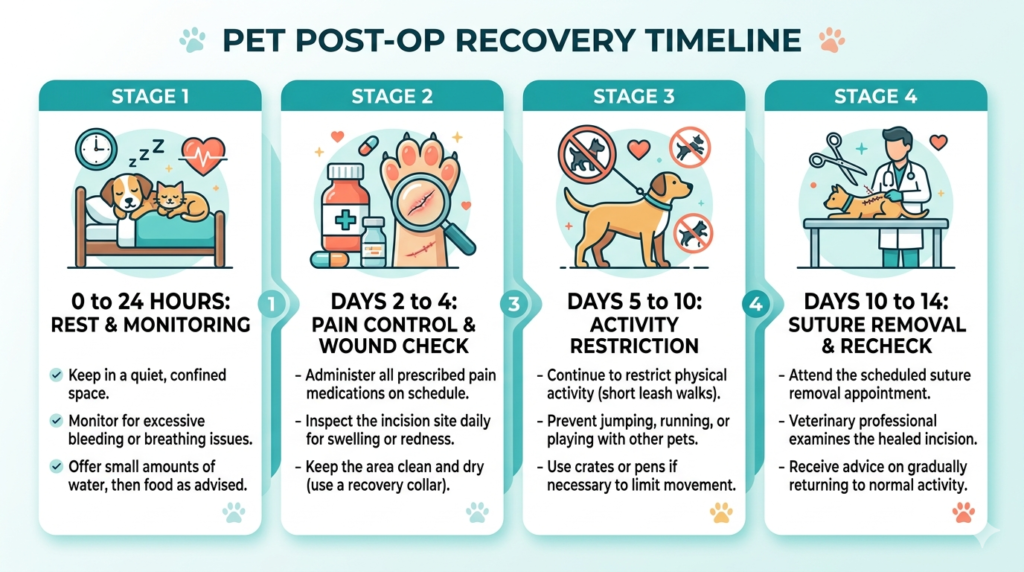
First 24 Hours
Most pets come home groggy. Provide a quiet, padded space away from other animals and children. Expect minimal interest in food the first night. Offer small amounts of water frequently. Some shivering or whining is normal as anesthesia wears off, but persistent crying or unresponsiveness needs a call back to the clinic.
Days 2 to 4: Pain Management and Wound Care
Stay on the prescribed pain medication schedule. Skipping doses to “see how they do” usually creates a setback. Check the incision twice daily for redness, swelling, discharge, or pulling at sutures. Light pinkness around the edges is normal. Bright redness, heat, or pus is not.
Days 5 to 10: Limiting Activity
This is the hardest stretch for most owners. Pets feel better and want to move, but the tissue underneath is still knitting. Use crate rest, leash-only bathroom trips, and Elizabethan collars or surgical recovery suits to prevent licking. Skin reactions around the incision sometimes need veterinary dermatology follow-up if rashes, hot spots, or contact irritation develop near the wound.
Days 10 to 14: Suture Removal and Reassessment
External sutures usually come out around day 10 to 14. Internal absorbable sutures dissolve on their own. The recheck visit confirms the wound is healed and clears your pet for normal activity, often in graded stages rather than all at once.
Red Flags During Recovery
Call your veterinary team immediately if you notice any of the following:
- Persistent vomiting or refusing water beyond 24 hours
- Bright red blood or large amounts of discharge from the surgical site
- Sutures pulled or visibly opened
- Severe swelling, heat, or a foul odor at the wound
- Fever, weakness, or loss of responsiveness
- Difficulty breathing or pale gums
Recovery setbacks rarely happen suddenly. Most show early warning signs that owners catch when they’re actively watching. For families weighing where to go for follow-up care, reading about trusted vets in Stockton CA and what makes a practice worth committing to often helps narrow the choice when something feels off.
Choosing the Right Clinic Before You Need One
Surgery decisions made under pressure are usually worse than decisions made in advance. A few months before any anticipated procedure, take the time to identify a clinic that meets your standards. Tour the facility if possible. Ask how surgeries are staffed and monitored. Confirm whether bloodwork and imaging happen in-house. Read recent reviews, not just average ratings. The complete pet care guide for Stockton owners covers broader wellness topics that come up during these conversations.
The clinic at 2223 E Fremont St, Stockton, CA 95205 has been part of the local fabric since 1956. The American Veterinary Medical Association recommends building a relationship with a primary veterinary practice before urgent procedures arise, and that advice holds true whether you live in central Stockton, the Lincoln Village area, or anywhere across San Joaquin County. Choosing pet surgery in Stockton CA is ultimately a decision about who you trust with your pet’s most vulnerable moments, so make the choice while you still have time to ask questions calmly.
Frequently Asked Questions
-
How long is neuter surgery and what does the recovery look like?
A standard neuter procedure typically takes 20 to 45 minutes once anesthesia is induced. Most male dogs recover within 10 to 14 days, with the first 24 to 48 hours being the most restricted. Activity stays limited to leashed bathroom breaks. Owners watch for swelling, discharge, or excessive licking at the incision. Cone collars or recovery suits prevent self-trauma. Sutures dissolve or come out at a recheck appointment around day 10.
-
What happens during animal monitoring during surgery in Stockton CA practices?
During surgery, a trained veterinary technician continuously tracks your pet’s heart rate, respiratory rate, blood oxygen levels, blood pressure, and body temperature. Modern multi-parameter monitors display these readings in real time, allowing rapid adjustments to anesthesia depth or fluid rates. The veterinarian focuses on the procedure while the technician watches the screen and the patient. This division of attention is one of the strongest predictors of safe outcomes during any animal surgery in Stockton CA clinics.
-
How do I know if my pet needs orthopedic surgery animals Stockton CA specialists?
Orthopedic concerns usually start with limping, stiffness, reluctance to climb stairs, or sudden lameness after activity. A physical exam and imaging (x-rays or MRI) confirm whether the issue is muscular, skeletal, or related to a joint or ligament. If the diagnosis points to a torn cranial cruciate ligament, fracture, hip dysplasia, or chronic joint disease, surgical consultation is the next step. Specialized orthopedic procedures often deliver dramatically better mobility outcomes than conservative management alone.
-
What should I prepare at home before bringing my pet back from animal hospital surgery?
Set up a quiet, padded recovery area away from foot traffic, other pets, and stairs. Have fresh water available, soft bedding, prescribed medications organized by dose and time, and a recovery cone or surgical suit ready. Remove furniture your pet might try to jump on. Plan to be home for the first 24 to 48 hours, since post-anesthetic monitoring matters most in that window. Keep your veterinary team’s after-hours contact information visible.
-
Is pet surgery anesthesia in Stockton CA safe for senior pets?
Modern anesthesia protocols are generally safe for senior pets when paired with proper screening. Pre-op bloodwork detects underlying kidney, liver, or heart issues that influence drug choices. Most clinics tailor anesthetic plans based on age, weight, breed, and medical history. Continuous in-surgery monitoring catches problems early. Many senior pets undergo dental cleanings, mass removals, and other procedures with smooth recoveries when the workup is thorough and the monitoring is appropriate.
-
How long is the typical recovery for animal hospital surgery procedures?
Recovery varies by surgery type. Routine procedures like spay, neuter, or simple mass removals usually take 10 to 14 days for full healing. Dental extractions need about 7 to 14 days of soft food and reduced chewing. Soft tissue surgeries fall into the 2 to 4 week range. Orthopedic repairs require the longest commitment, often 8 to 16 weeks with structured rehabilitation. Your veterinary team provides a written timeline specific to your pet’s procedure at discharge.
Preparing your pet for surgery isn’t about controlling every variable, it’s about removing the avoidable ones so your veterinary team can focus on what only they can do.